The Multi-omic Ocean
Our theme is The Multi-omic Ocean. We will explore the different ways in which ‘omics can illuminate ocean ecosystem health.
This seminar will be presented in a Hybrid format: in-person at the University of Prince Edward Island in Charlottetown, PEI and online via Microsoft Teams. The seminar will be followed by an in-person social event at the University of Prince Edward Island. We hope you’ll join us to network with our speakers and peers!
If you would like to attend in person, we kindly ask that you complete this form so we can estimate food quantities (to minimize food waste) and support dietary restrictions. Completion of this form is anonymous. You are still welcome to attend if you do not complete the form ahead of the networking event.
We are offering bursaries of up to $100 CAD for caregivers who are interested in attending BAtl seminars in person to offset costs of caregiving responsibilities. One person can be eligible for multiple bursaries.
Schedule
| Time (ADT) | Event | Format | Location |
|---|---|---|---|
| 15:00 | Seminar | Hybrid | In-person: Room TBD, University of Prince Edward Island, Charlottetown PEI Virtual: MS Teams |
| 16:00 | Social Event | In-person | Room TBD, University of Prince Edward Island, Charlottetown PEI |
Meet our Speakers
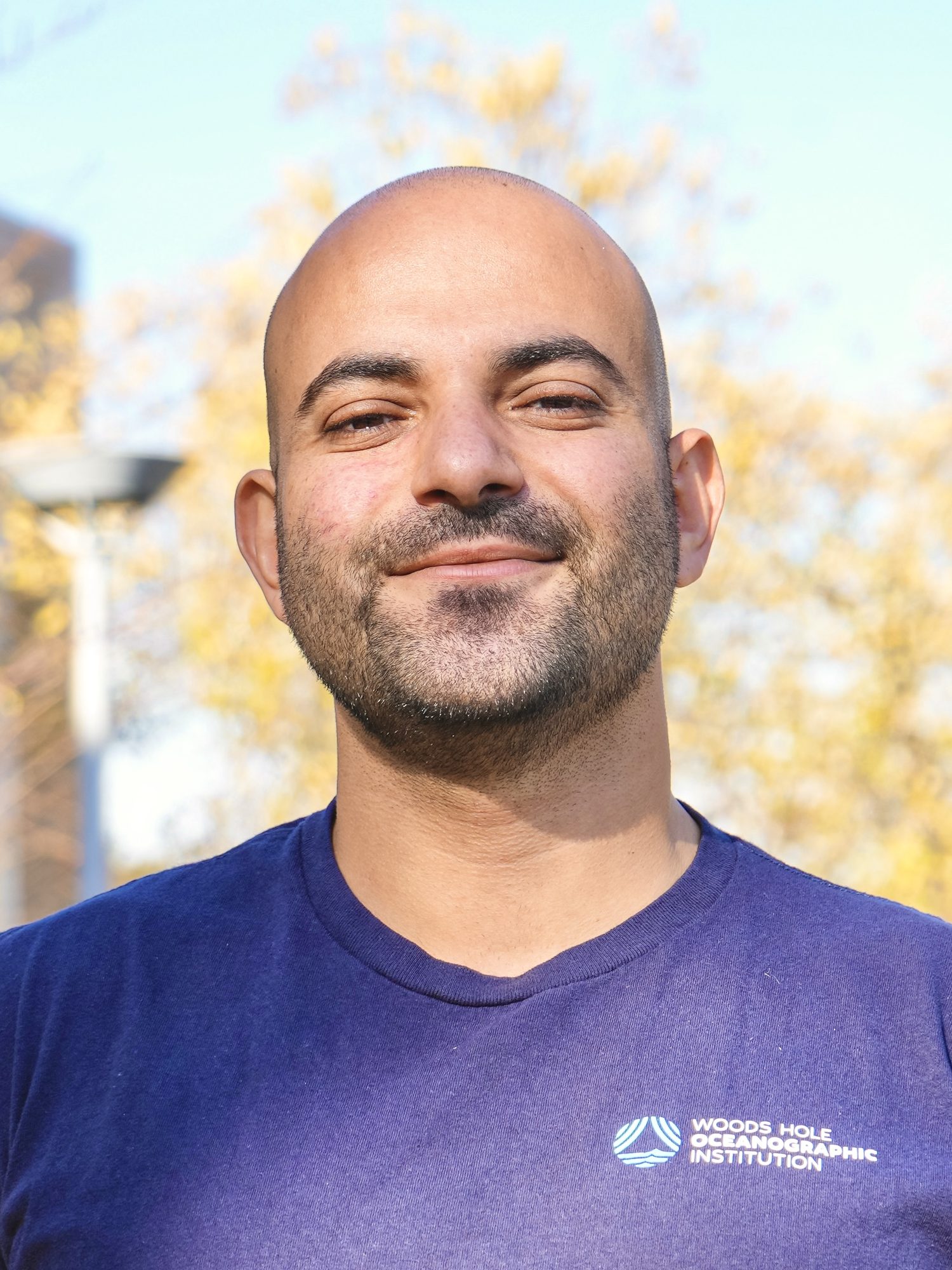
Loay Jabre,
Assistant Professor at
Mount Allison University
Dr. Loay Jabre is an Assistant Professor of Microbiology at Mount Allison University. His lab combines subcellular omics, metaproteomics, and physiological measurements to study molecular processes within microbial cells and how these processes influence large-scale biogeochemical systems. Prior to joining Mount Allison, Dr. Jabre completed a PhD at Dalhousie University and conducted postdoctoral research at the Woods Hole Oceanographic Institution in Massachusetts, USA.
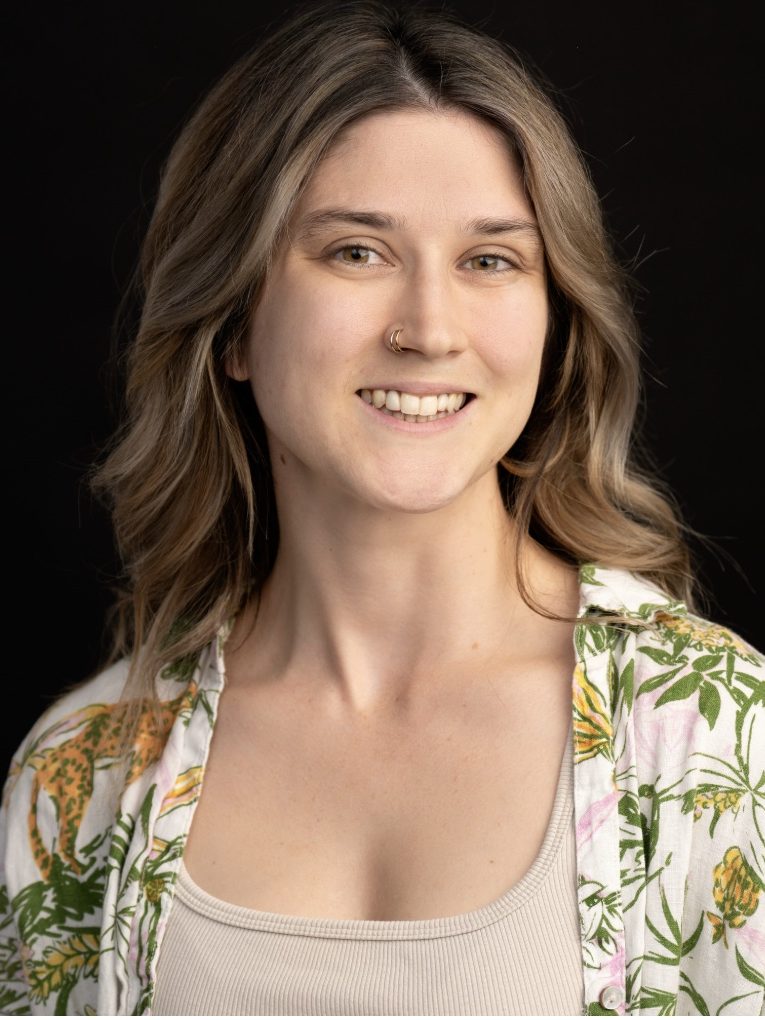
Sonja Rose,
Postdoctoral Fellow at
Dalhousie University
Dr. Sonja Rose earned her BSc (Honours) in Marine Biology from Dalhousie University, where she studied bacterial growth and nitrogen fixation in a newly discovered diazotroph later named after Halifax, Thalassolituus haligoni sp. nov. BB40. With many questions remaining from her honours research, she continued into graduate studies and completed a multidisciplinary PhD in Biology, gaining expertise in genomics, transcriptomics, proteomics, and N₂ fixation rate measurements. During her doctoral work, she developed a strong passion for integrating multi-omics approaches with physiological data to understand system-level functioning in bacteria. Her work emphasizes how combining multiple disciplines can help answer fundamental questions about ocean health, microbial ecology, and ecosystem functioning in the face of climate change.
Meet our Host:
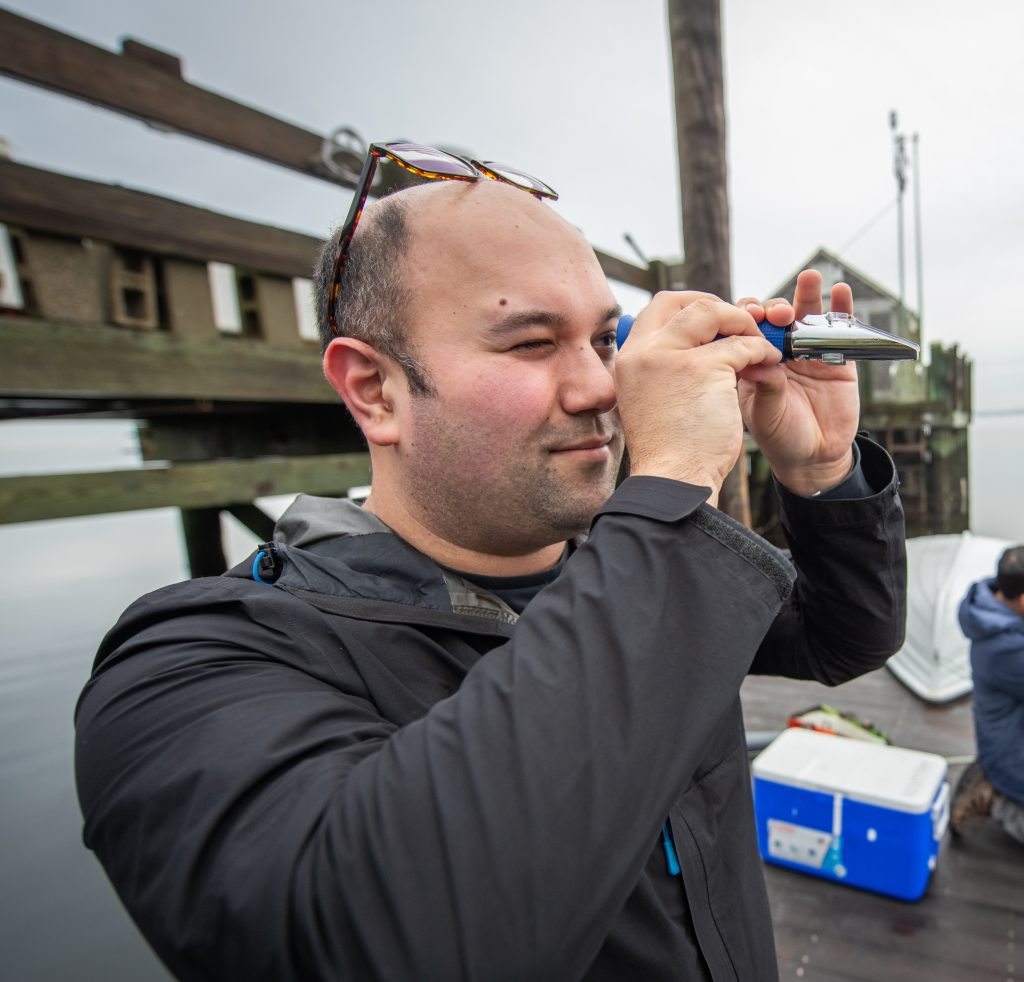
Brent Robicheau,
Assistant Professor at
University of Prince Edward Island
Dr. Brent Robicheau is an environmental microbiologist and geneticist. He earned his BScH and MSc in Biology from Acadia University, where he investigated the evolution of ribosomal RNA gene clusters in relation to junk DNA production and characterized mitochondrial genomes in bivalves and fungal endophytes. He then completed his PhD at Dalhousie University, where his doctoral research described phytoplankton community dynamics in the Northwest Atlantic, microdiversity in the nitrogen-fixing algal symbiont UCYN-A (now recognized as a recently evolved organelle), and the biogeography of nitrogen-fixing microbes in the Canadian Arctic Gateway. Additional research collaborations have also included an interdisciplinary study on the impact of winter mixing on coastal nitrification processes, and a comprehensive species description of a newly isolated heterotrophic nitrogen-fixer with a global distribution in the ocean. Following his PhD, Dr. Robicheau held a Postdoctoral Fellowship at Clark University (Massachusetts, USA), where he worked alongside Roger Williams University researchers in Rhode Island to investigate host-viral interactions between Synechococcus cyanobacteria and cyanophage in estuarine systems. Broadly, his research aims to deepen our understanding of the ecology and genomics of microbes in the marine realm.
