Mudflat Biological Dynamics
Our theme for January 2026, our fourth edition of BAtl, is “Mudflat Biological Dynamics” We will explore the importance of biological communities in mudflat ecosystems and the methodologies behind identifying them.
This seminar will be presented in a Hybrid format: in-person at the University of New Brunswick in Fredericton NB and online via Microsoft Teams. The seminar will be followed by an in-person social event at the University of New Brunswick. We hope you’ll join us to network with our speakers and peers!
Schedule
| Time (ADT) | Event | Format | Location |
|---|---|---|---|
| 17:00 | Seminar | Hybrid | In-person: Room 146, Bailey Hall, 10 Bailey Dr, Fredericton, NB Virtual: MS Teams |
| 18:00 | Social Event | In-person | Room 146, Bailey Hall, 10 Bailey Dr, Fredericton, NB |
Meet our Speakers
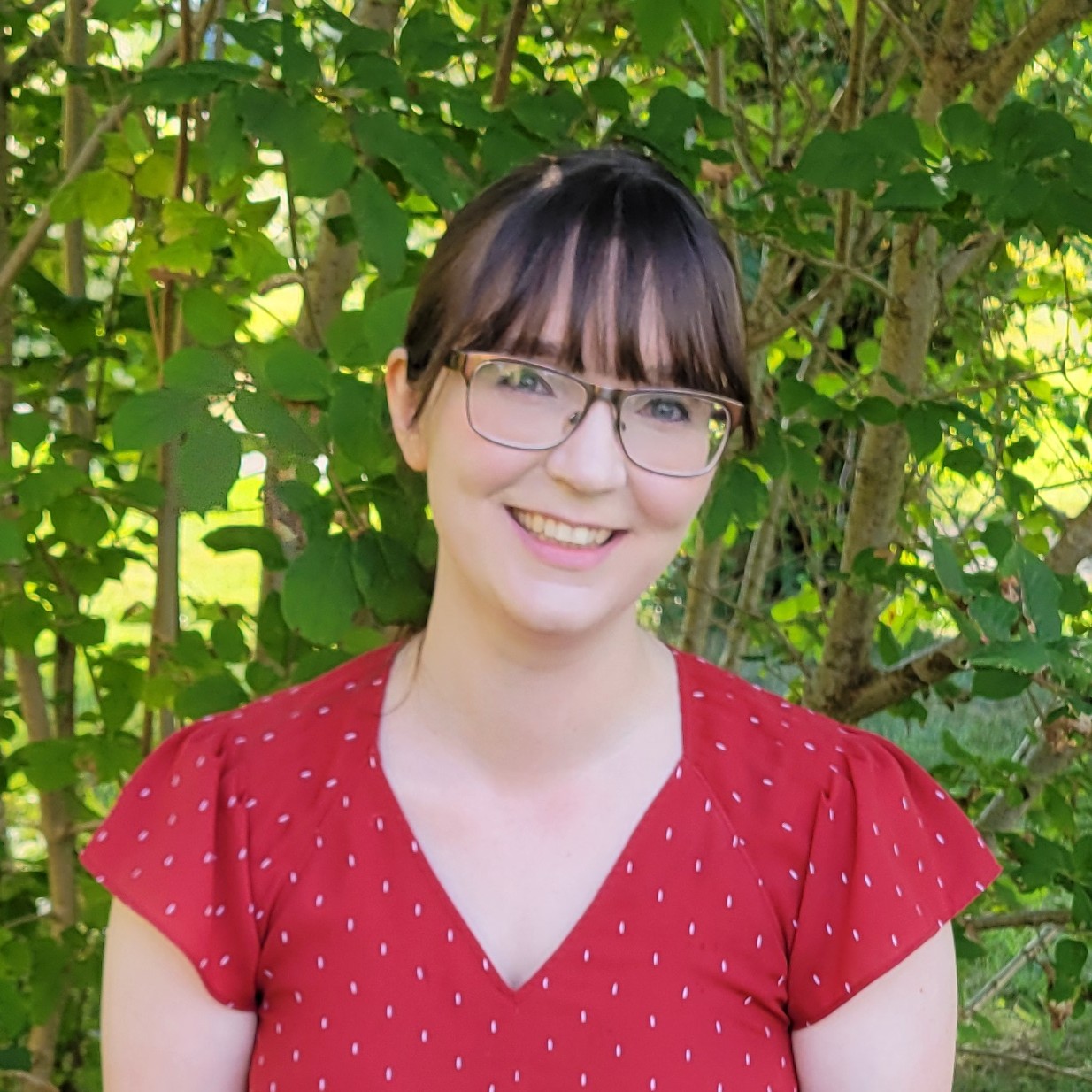
Courtney Allen, Postdoctoral Fellow at
the University of New Brunswick
Dr. Courtney Allen received her PhD from the University of Guelph in 2025. While she has always had an interest in mathematical modelling, her focus shifted from studying mathematical physics during her undergraduate and masters degrees to doing research in mathematical biology. Her PhD work, modelling anaerobic digestion to optimize the production of biogas during wastewater treatment, sparked her interest in modelling biological systems and using numerical methods to understand and mitigate the effects of climate change. So, when she received a postdoctoral position to study the carbon sequestration potential of the mudflats in her home province of New Brunswick, she was thrilled. As a postdoc at the University of New Brunswick, she has had the opportunity to broaden her understanding of mathematical modelling by conducting field work and collaborating with biologists who are experts in their field.
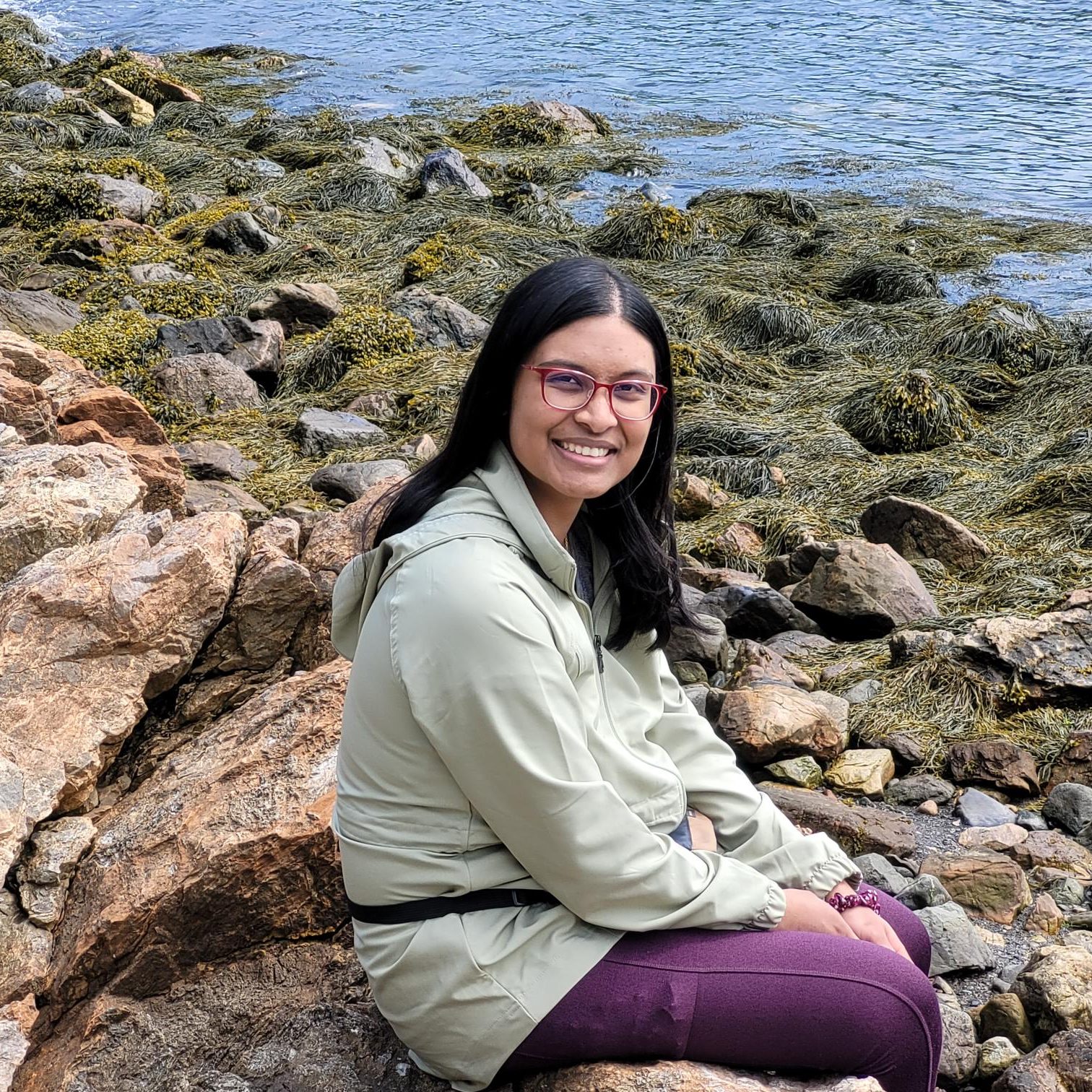
Clarissa Lalla, MSc Student at
the University of New Brunswick
My research interests center on microbial ecology in coastal ecosystems, reflecting a
sustained curiosity about the diversity and function of microbial communities. During my
MSc, I used DNA metabarcoding to: (1) examine spatial and temporal shifts in the
microbial eukaryote communities in the Musquash Estuary Marine Protected Area in the
lower Bay of Fundy, and (2) characterize the microbial eukaryote communities along a
chronosequence of salt marsh restorations in the Musquash Estuary. In addition, my
research includes analyzing the DNA and RNA extracted from mudflat sediments at the
Peck’s Cove mudflat in the upper Bay of Fundy. This work is a part of the Maritime
Coastal Carbon Group collaboration that aims to characterize the taxonomic and
functional composition of microbial eukaryote and bacterial communities in relation to
time since tidal recession and sediment depth. Together, this work highlights the
ecological importance of microbial communities in coastal systems and their relevance
to ecosystem function and restoration.
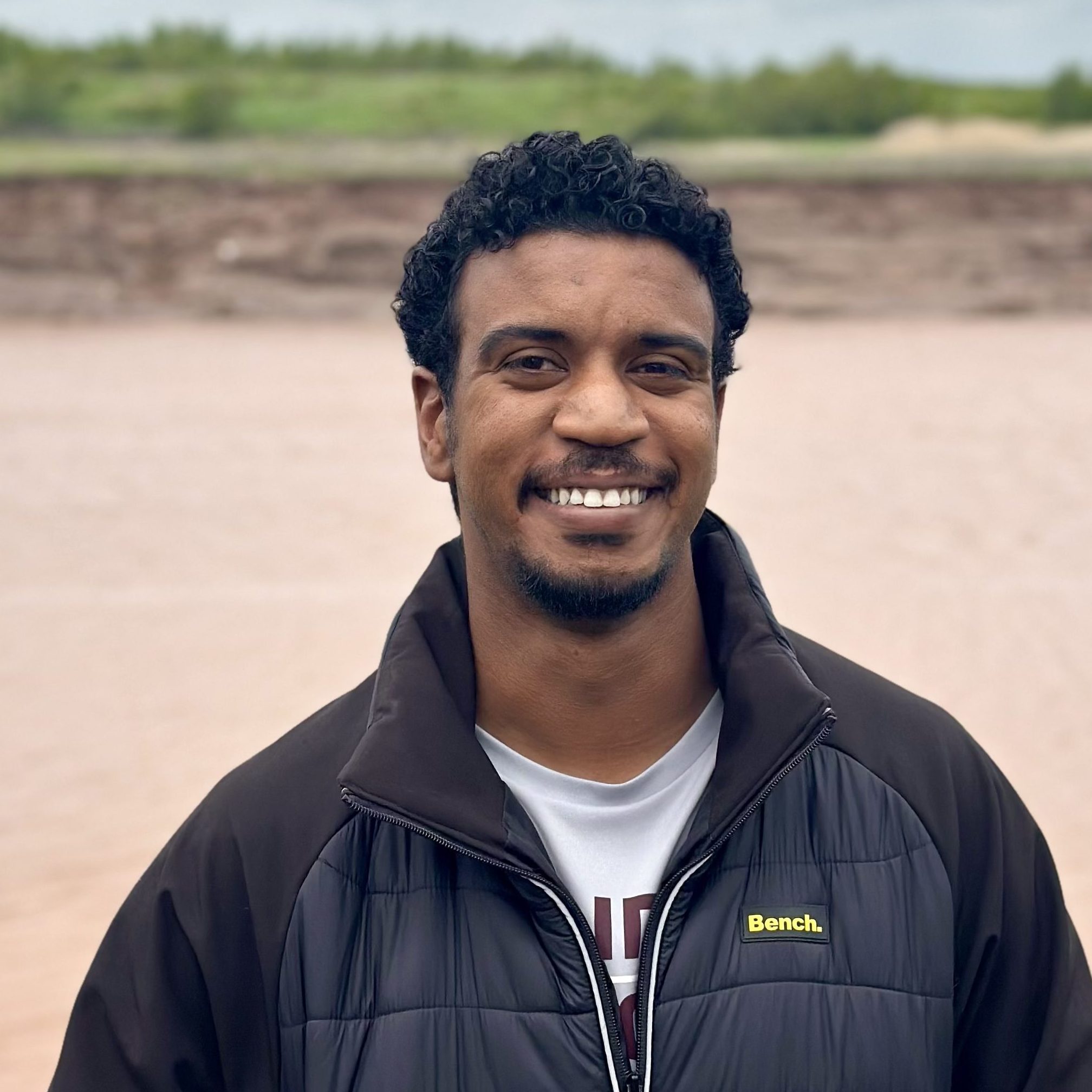
Naaman Omar, PhD Candidate at
the University of New Brunswick
Naaman Omar is a PhD candidate in the Department of Biology at the University of New
Brunswick. His research focuses on detecting, mapping, and understanding the
physiology of microalgae on intertidal mudflats using an integrated remote sensing and
molecular framework. Intertidal mudflats are globally important hotspots for coastal
carbon uptake, a process largely driven by microbial and microalgal activity. He
combines satellite and drone imagery with spectroradiometry to map microalgal
distribution across mudflats, alongside pigment analyses and metabarcoding to
characterize community composition. As part of the Maritime Coastal Carbon Group
collaboration, he also applies metagenomic and metatranscriptomic approaches to
resolve taxonomic diversity and functional potential, with particular emphasis on genes
involved in tidal recession responses, carbon uptake and fixation, and vertical migration.
Prior to his PhD, Naaman worked as a Research Associate at Mount Allison University,
where he worked on metagenomic assembly and analysis of cyanobacterial systems.
His work aims to bridge molecular biology, coastal marine biology, and Earth
observation to better understand coastal carbon processes.
Meet our Host
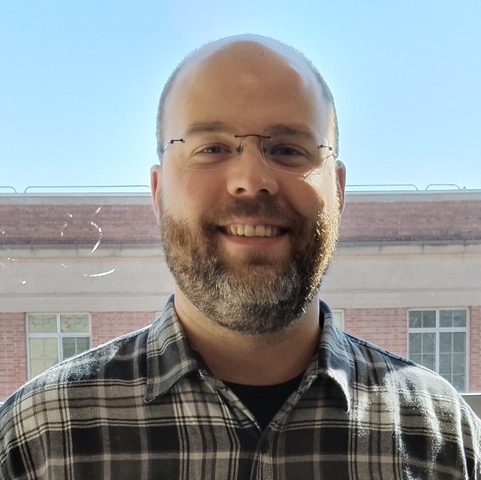
Gavin Douglas, Assistant Professor at
the University of New Brunswick
Dr. Douglas researches the evolutionary forces underlying bacterial pangenome diversity, using primarily bioinformatics approaches. He is also interested in understanding how ecological factors drive strain diversity and horizontal gene transfer in natural environments. Find out more here: https://douglaslab.ca
