Microbes, Inside and Out
Our theme for December 2025, our third (and special holiday) edition of BAtl, is “Microbes, Inside and Out” We will explore the importance of biological communities in different ecosystems and the methodologies behind identifying them.
This seminar will be presented in a Hybrid format: in-person at Dalhousie University in Halifax NS and online via Microsoft Teams. The seminar will be followed by an in-person social event at Dalhousie University. We hope you’ll join us to network with our speakers and peers!
Schedule
| Time (ADT) | Event | Format | Location |
|---|---|---|---|
| 17:00 | Seminar | Hybrid | In-person: Theater A, Sir Charles Tupper Medical Building, 5850 College Street, Halifax NS Virtual: MS Teams |
| 18:00 | Social Event | In-person | Tupper Link, Sir Charles Tupper Medical Building, 5850 College Street, Halifax NS |
Meet our Speakers
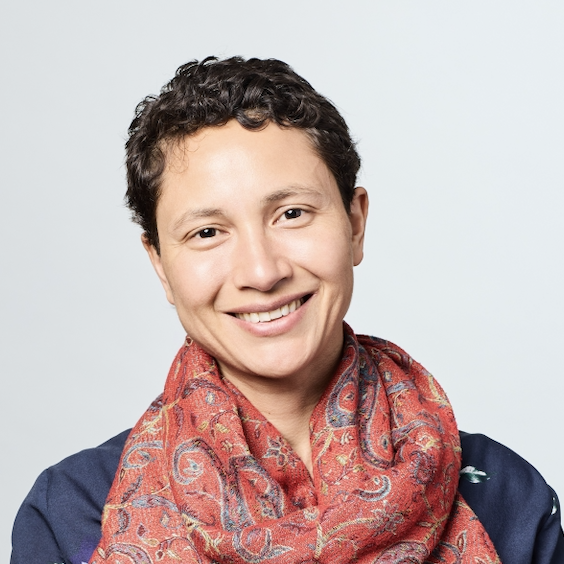
Dr. Nelly Amenyogbe, Assistant Professor at
Dalhousie University
Dr. Nelly Amenyogbe is an Assistant Professor with Dalhousie’s Departments of Pathology and Microbiology. Dr. Amenyogbe completed their PhD in Experimental Medicine at the University of British Columbia, where their work centered on better understanding how immune development was shaped in early life, and how this knowledge could guide the development of low-cost and feasible interventions to prevent infectious morbidity and mortality in infancy. Dr. Amenyogbe completed their first post doctoral fellowship at The Kids Research Institute and the University of Western Australia, funded by the Raine Medical Foundation to investigate how newborn metabolism drives susceptibility to infectious diseases. Currently, Dr. Amenyogbe is expanding on this work at Dalhousie to investigate how two interventions – early colostrum feeding and BCG vaccination at birth – can work together to prevent deaths due to neonatal sepsis. This work is supported by the CIHR and Open Philanthropy.

Rebecca Stevens-Green, PhD Candidate at
Dalhousie University
My curiosity about the role of phytoplankton in the carbon cycle was what first brought me to Dr. Julie LaRoche’s group. During my PhD, I have used long-read sequencing to assemble organellar genomes from three cultured nanoplanktonic diatoms. These high-quality genomes improved our ability to genetically distinguish closely related species and to resolve their unique spatial and temporal distribution patterns in the Northwest Atlantic (NWA) including the Bedford Basin, Scotian Shelf, Labrador Sea and Canadian Arctic Gateway.
In addition to culture-based approaches, my project focuses on analyzing the DNA and RNA extracted from filtered water samples collected in the Labrador Sea. This is part of a collaboration through the NWA-BCP project which aims to characterize the spring bloom in the Labrador Sea and project future changes in productivity and export. Our work characterizes the taxonomic and functional composition of phytoplankton and bacterial communities during the progression of two of the Labrador Sea spring blooms. Overall, my aim is to improve our understanding of the marine microbes involved in biogeochemical processes in the NWA.
Meet our Hosts
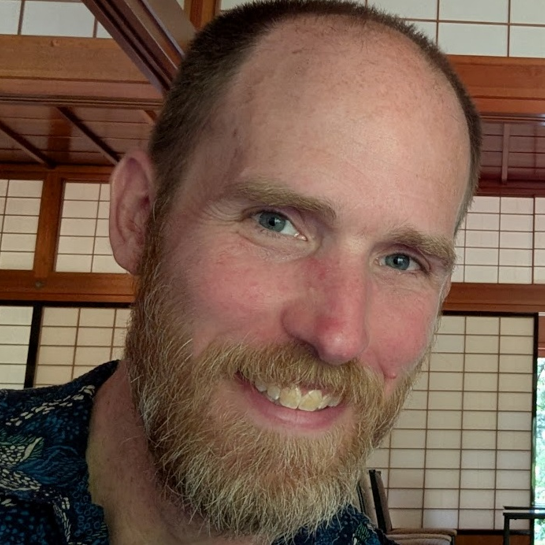
Dr. Rob Beiko, Professor at Dalhousie University,
CBH Atlantic Node Director
Rob (or “Dr. Robert Beiko”, if you want to be all formal about it) is an Associate Professor in Bioinformatics in the Faculty of Computer Science at Dalhousie University. Before coming to Dal in 2006, he was a postdoc in the lab of Mark Ragan at the University of Queensland in Brisbane, Australia. And before that, he completed a PhD in Biology at the University of Ottawa (1998-2003). Although all of his formal training was in biology, an interest in machine-learning approaches, algorithms for identifying important evolutionary events, and visualization of biological data have ultimately led him to put down stakes in Computer Science and collaborate with some of the best in the business here.

Ben Fisher, Atlantic Regional Coordinator for the Canadian Bioinformatics Hub
My role is Atlantic Regional Coordinator for the Canadian Bioinformatics Hub. Through this position, I work closely with Dr. Rob Beiko and a pan-Canadian network of experts and knowledge users. Our mission is to accelerate the growth of a vibrant health and life sciences sector by scaling up Bioinformatics, Computational Biology, and Data Science capacity.
I have a Master of Science degree in Microbiology and Immunology, completing my bioinformatics training under Dr. Morgan Langille at Dalhousie University. Throughout my career, I have instructed others in genetics, molecular biology, and microbiome data science. I am passionate about continued education of trainees and professionals, and firmly believe that enhancing bioinformatics and computational biology competencies will support the success of Canada’s current and future scientists.
