
‘Omics in Cancer Research
Our theme for November 2025, our second edition of BAtl, is ‘Omics in Cancer Research.” We will explore alternate data projections to model low abundance signals from -Omics technologies.
This seminar will be presented in a Hybrid format: in-person at New Brunswick Center for Precision Medicine / Centre De Médecine De Précision Du Nouveau-Brunswick in Moncton NB and online via Microsoft Teams. The seminar will be followed by an in-person social event Université de Moncton. We hope you’ll join us to network with our speakers and peers!
Schedule
| Time (ADT) | Event | Format | Location |
|---|---|---|---|
| 17:00 | Seminar | Hybrid | In-person: Room 106, New Brunswick Center for Precision Medicine, 27 Providence St. Moncton, NB Virtual: MS Teams |
| 18:00 | Social Event | In-person | Room 106, New Brunswick Center for Precision Medicine, 27 Providence St. Moncton, NB |
Meet our Speakers
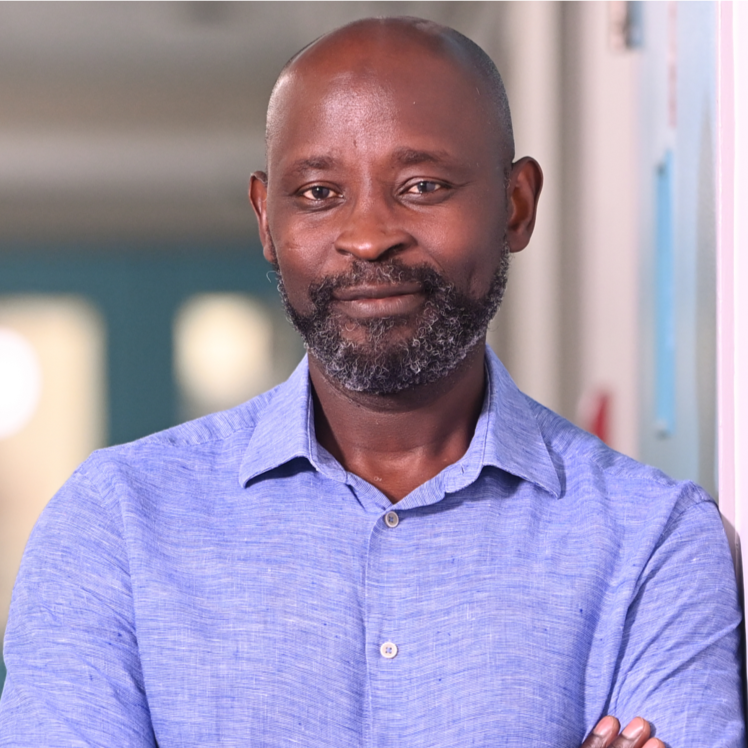
Dr. Tobias K. Karakach, Ph.D Assistant Professor at
Dalhousie University
Dr. Tobias Karakach holds a M.Sc. (Chemometrics) and Ph.D. (Bioinformatics) from the Department of Chemistry at Dalhousie University and post-doctoral training at the NRC where he also worked until 2017. He then moved to the venerated Vlaams Instituut voor Biotechnologie (VIB), Leuven, Belgium and immersed himself into bioinformatics for cancer biology as a Bioinformatics Staff Scientist at the laboratory for Angiogenesis and Vascular metabolism. During this time he expanded his repertoire of bioinformatics skills to single-cell transcriptomics (scRNAseq), genomics (DNAseq, aCGH, WGS, WES), and epigenomics (ChIPseq, DNA methylation) data analysis and, added invaluable biological knowledge to his background in fundamental bioinformatics for functional genomics. He returned to Canada after two years to head the bioinformatics core facility at the Children’s Hospital Research Institute of Manitoba (CHRIM). In the spring of 2021, he moved back to Halifax where he was recruited as an Assistant Professor at Dalhousie’s Faculty of Medicine, in the Department of Pharmacology.
His research aims to solve our biggest health challenges by studying the smallest units of life via advanced bioanalytical measurements that yield Big Data. His lab develops computational methods for integrating such data, especially when they derive from multiple platforms that allow different levels of biological complexity to be measured. These platforms include next-generation sequencing (NGS) mass spectrometry (MS), magnetic resonance spectroscopy (MRS), etc. He is passionate about using these technologies to isolate and characterize the genomic make up of single cells from major organs to learn, for example, how they influence the development and progression of childhood cancers such as Wilms Tumor (WT). These genes/cells can help us to better stratify the progression of pediatric malignancies, and their heterogeneous response to pharmacotherapeutics. His lab develops novel computational methods for modeling the big data that emanate from measurements of genomes, transcriptomes, and proteomes from single cells over time, or course of pharmacological intervention. Tobias collaborates extensively both nationally (Canada) and internationally (US, China, Africa, and Europe) and continues to seek exciting collaborations with experimentalists within the realms of Molecular Biology. In addition to his primary appointment in the Department of Pharmacology, Tobias is also a Research Scientist at the Beatrice Hunter Cancer Research Institute and holds a NIL-appointment in the Department of Biochemistry and Medical Genetics at the University of Manitoba, Canada.
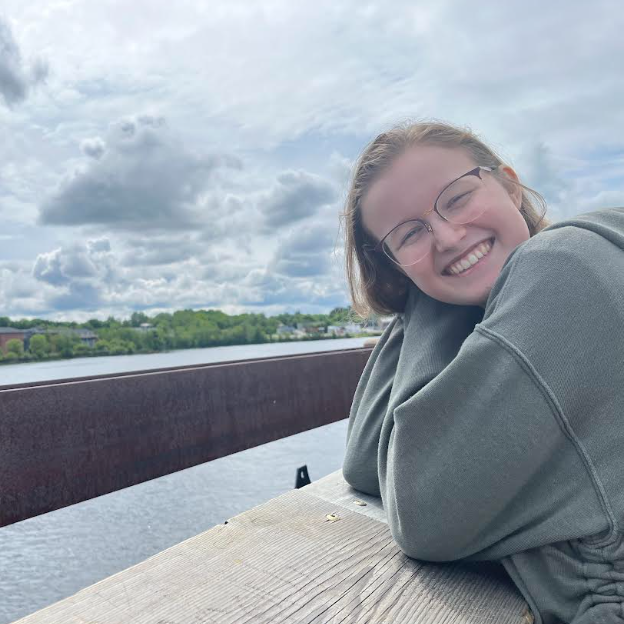
Kate Graham, Graduate Student at
Université de Moncton
Kate Graham is a M.Sc. student studying biochemistry at Université de Moncton. Her
research project, supervised by Dr. Eric Allain and Dr. Luc Boudreau, focuses on the
potential regulation of 12-lipoxygenase in megakaryocytes by a long non-coding RNA.
She is interested in applications of long-read sequencing in cancer research.
Meet our Host
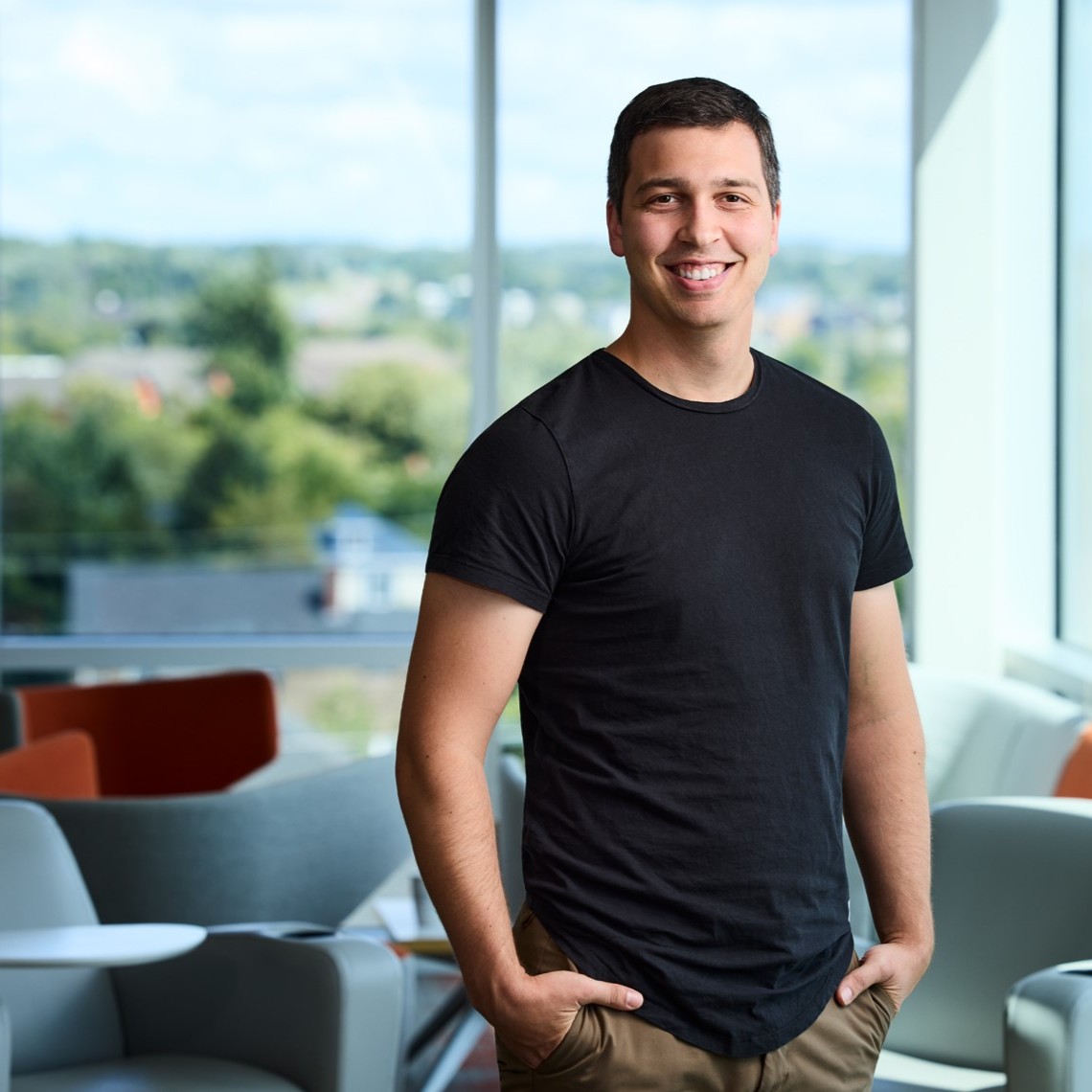
Eric Allain, Clinical specialist at
Vitalité Health Network
Role and Background
I am an early-career researcher who started my laboratory at the end of 2020 at the New Brunswick Center for Precision Medicine. Originally from Neguac, NB, I studied lipid signaling at UMoncton’s Biochemistry department. During my Ph.D. studies, I mainly worked in the field of pharmacogenomics, focusing on treatment response to anti-leukemic agents in hematologic malignancies. My postdoctoral work focused on bioinformatics methods for the analysis of small RNAs in liquid biopsies. Most of my research takes place either at the Université de Moncton (UMoncton), where I am an adjunct professor, or at the Atlantic Cancer Research Institute (ACRI), where I serve as Platform Scientist the Bioinformatics Platform. My interest lies in translational research using both computational and classical molecular biology approaches.
Current Research Program
My laboratory focuses on three main areas of interest:
- Developing new bioinformatics approaches for the identification of early cancer biomarkers.
- Characterizing hereditary cancer markers in the New Brunswick population.
- Developing bioinformatics tools to improve the efficiency of molecular genetics laboratories in hospital settings.
